Tripoli, Sunday, December 7, 2025
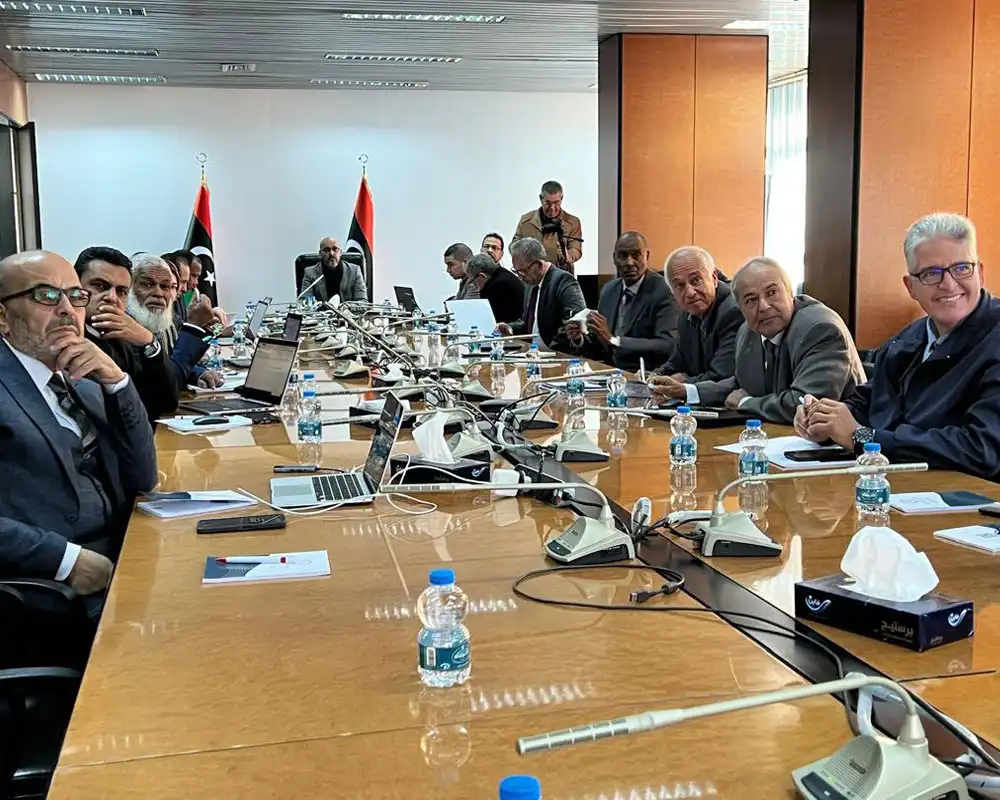
The headquarters of the General Information Authority witnessed this morning, Sunday, the launch of the unified collective review of the six research axes and the statistical annex of the Seventh National Human Development Report.
This phase, titled the Collective Review, represents the second and most important part of the adopted methodological procedural plan, with the main goal of ensuring the highest standards of quality and technical and strategic consistency of the report’s content. Its activities will continue over five working days, concluding on Thursday, December 11, 2025.
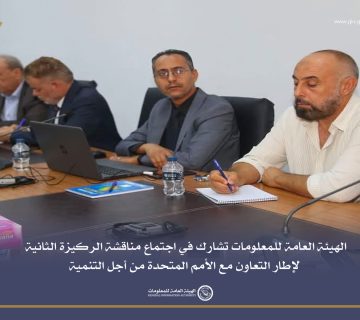
The first day’s session saw full attendance from various entities involved in the review process, emphasizing the participatory work methodology to unify perspectives and evaluations. Among the most prominent participants was the advisory committee responsible for guiding the content, including
It ensures alignment with national priorities and strategic visions, assesses feasibility, and involves the editorial board to undertake its role in unifying observations and ensuring logical coherence and analytical depth across the axes, as well as United Nations experts to provide a global perspective and ensure consistency with international best practices and sustainable development goals, in addition to the head and members of the research team, to present a brief overview of their work and receive technical guidance.
The first day of the collective review was dedicated to discussing the first three axes of the report, where the review was conducted through an interactive methodology. Researchers for each axis presented a brief overview followed by in-depth and mutual discussions among all reviewers.
The upcoming days’ meetings are expected to result in the formulation of a final unified review report that ensures complete consistency across the six axes and the statistical appendix, paving the way for preparing the final draft of the seventh national human development report in accordance with international standards and national development needs.
.