Tripoli | February 16, 2026.
Embodying the spirit of fruitful cooperation and institutional integration among Libyan state sectors, the General Information Authority, in partnership with the United Nations Development Programme, announced today, Monday, the main features of the 2025 National Human Development Report, alongside the official launch of the preparatory work for the national community consultations.
This announcement comes as a model of national efforts coming together, as the report represents the result of a collaborative work that brings together the Authority’s technical perspectives with inputs from various national institutions to ensure the creation of a comprehensive reference document.
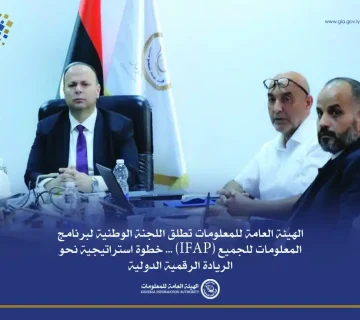
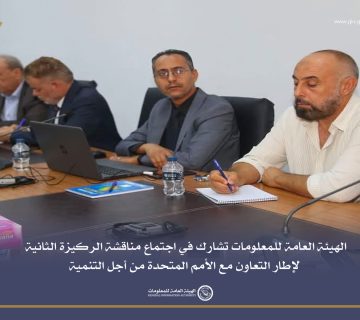
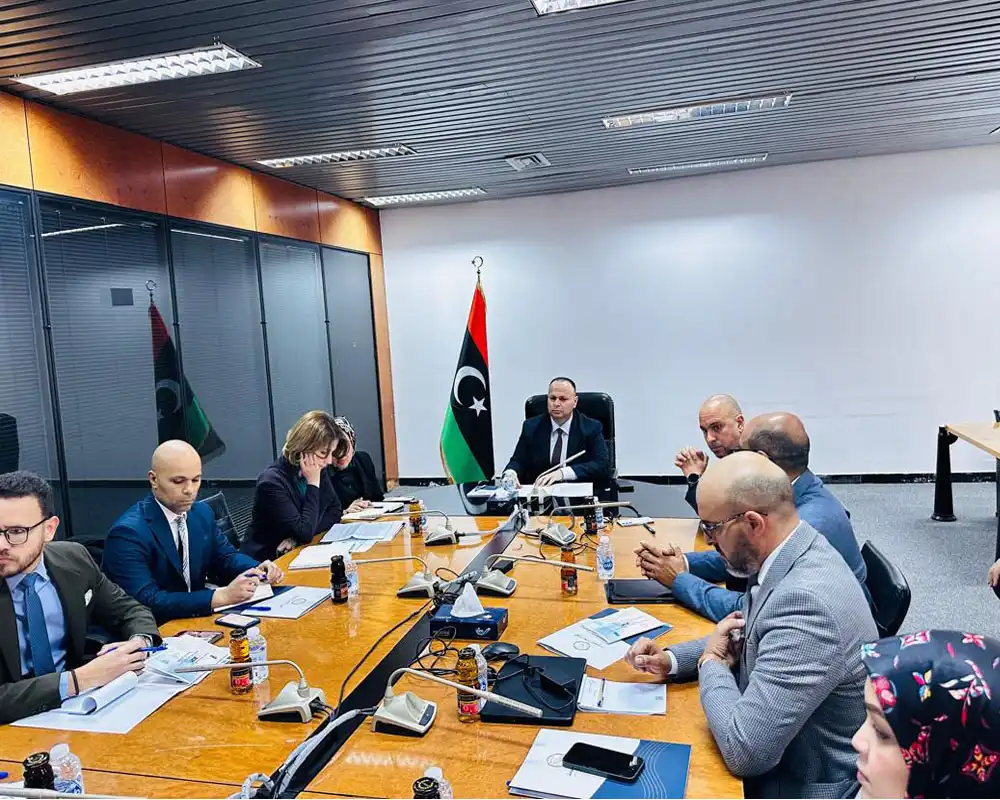
The event witnessed a high-level official, academic, and international presence, led by the Chairman of the General Information Authority, Engineer Abdel Baset Salem Al-Baour, and the Resident Representative of the United Nations Development Programme in Libya, Dr. Sophie Kamikhderz, accompanied by several program and regional office experts. Also attending the event were the Director of the Statistics and Census Department, Mr. Nabil Al-Qanqa, the President of Brak Al-Shati University, Dr. Nasser Bouhmoud, and the Chairman of the Sustainable Development Committee at the Libyan Audit Bureau, Dr. Mansour Al-Hamali, in addition to several directors of sectoral information and documentation centers, research information centers at Libyan universities, deans of faculties, a number of academics and interested parties, and the report preparation team.
In his opening speech, Engineer Abdel Baset Salem Al-Baour emphasized that this national achievement represents the result of intensive technical effort and high-level coordination between national teams and international partners. He explained that the authority succeeded in turning field challenges into technical opportunities, which enabled the establishment of solid foundations for the report, stressing that moving to the final drafting stage represents a shift from technical analysis to a strategic vision that places the Libyan citizen at the heart of the development process.
For her part, Dr. Sophie Kamekhderz expressed the program’s pride in the partnership with the authority, noting that the report follows a scientific methodology that combines international standards with Libyan specificity to provide a document that supports sustainable development pathways in the country. The celebration featured a series of comprehensive visual presentations, beginning with a display documenting the report preparation process at its various stages, followed by a detailed presentation highlighting the main features of the report and its methodological framework, and culminating with an outline of the roadmap for community consultations set to be launched in the field in April. These consultations aim to ensure broad national participation that reflects public sentiment and the aspirations of Libyans.
The celebration concluded with an open dialogue session that included a select group of academics and decision-makers, discussing mechanisms to enhance the outcomes of the report, emphasizing that it represents a national roadmap for achieving the Sustainable Development Goals in Libya.