
Tripoli 01-01-2026
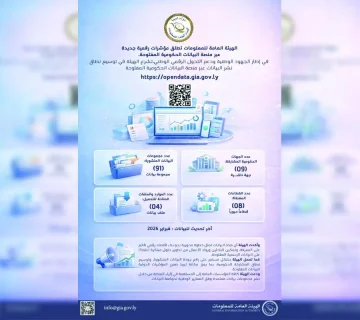
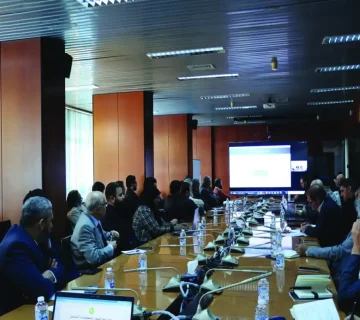
As part of its strategic plans to enhance digital empowerment and support decision-makers, the General Information Authority has completed an analysis of the key indicators of the #Government_Procurement_and_Tenders_Platform database for 2025, based on the officially approved data, with the aim of supporting data-driven planning and promoting transparency in public spending management.
This analysis comes within the framework of implementing the provisions of Cabinet Resolution No. (12) of 2023 concerning the Government Procurement Regulation, and Cabinet Resolution No. (600) of 2024 regarding the issuance of the Administrative Contracts Regulation, supporting the practical implementation of the legislative framework governing government purchasing and contracting procedures, and strengthening the principles of fairness, equal opportunities, competition, and disclosure.
#Key_Indicators_and_Results
The analysis showed the recording of more than 8,000 government announcements during 2025, involving 36 major public entities and more than 550 affiliated entities, with operational purchases constituting the largest proportion of announcements compared to tenders. The data also indicated a clear seasonality in publication activities, manifested in a notable increase during the last quarter of the year, particularly in December, reflecting the implementation cycles and timing commitments associated with financial budgets, according to the approved regulatory and procedural frameworks.
#Sectoral_and_Development_Readings
The report highlighted a noticeable concentration in the health, education, and basic services sectors, especially in items such as medicines, medical supplies, stationery, maintenance, and operational services, confirming the priority of maintaining public facilities and meeting the essential needs of citizens.
From a #development perspective, the analysis linked government procurement data approximately with the #United_Nations_Sustainable_Development_Goals (#SDGs), revealing clear contributions in the areas of good health, quality education, building sustainable cities and communities, responsible consumption and production, alongside strengthening peace and institution-building.