• Tripoli | Wednesday, July 1, 2026
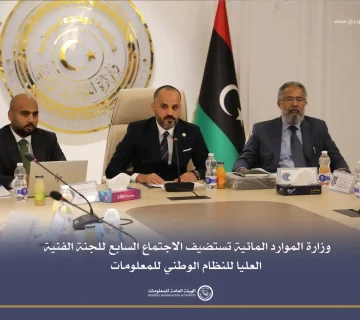
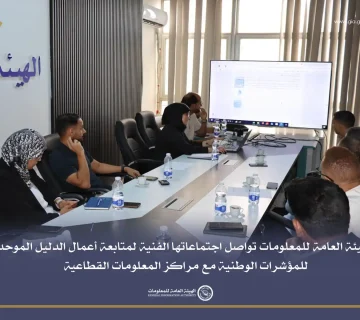
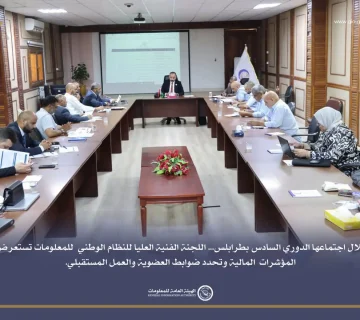
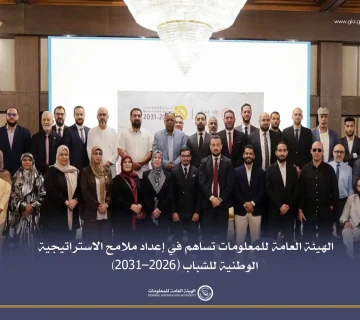
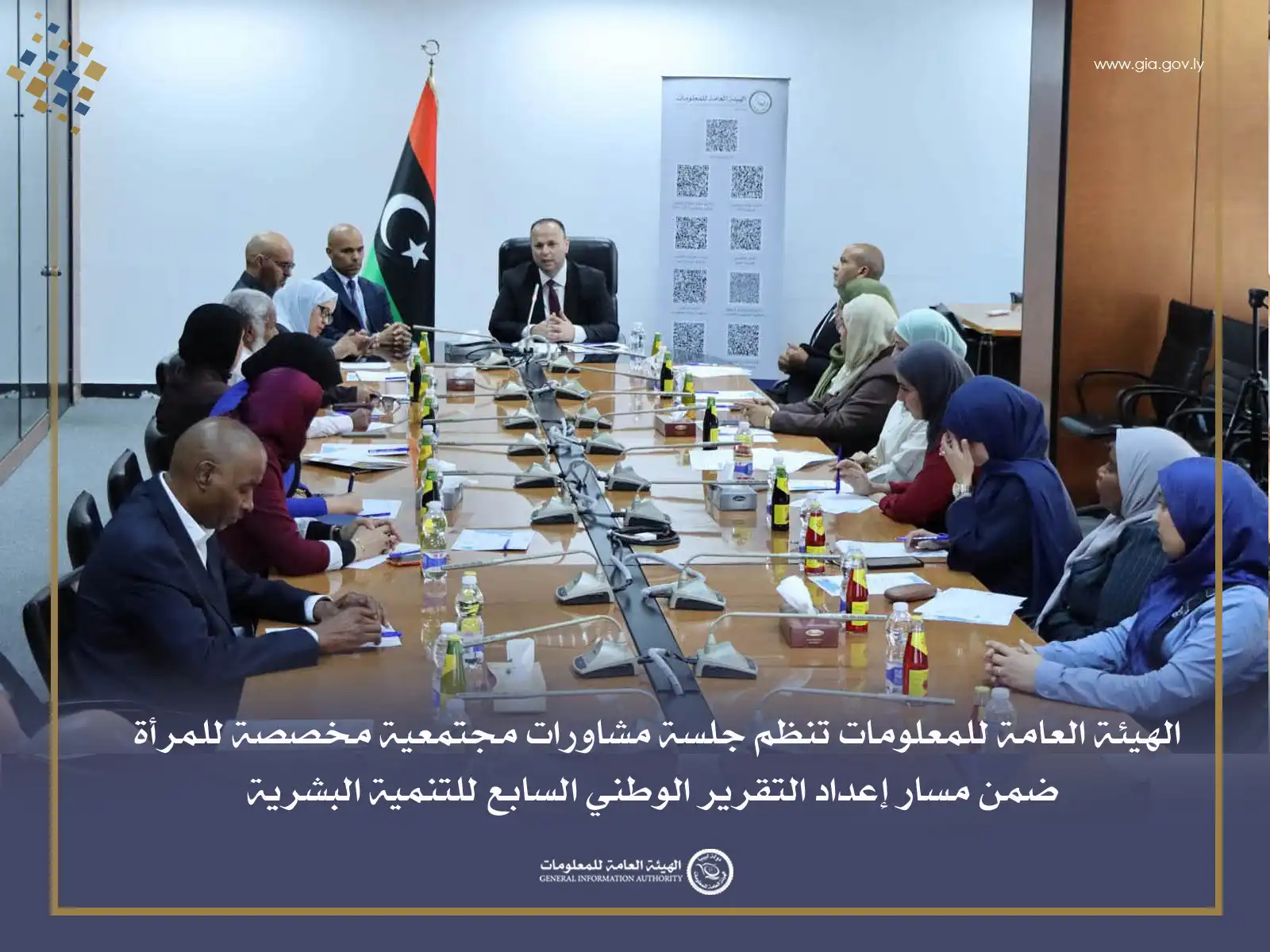
Within the framework of implementing the strategic plans for preparing the Seventh National Human Development Report, and embodying the participatory approach adopted by the General Information Authority in strategic partnership with the United Nations Development Programme (UNDP), a specialized community consultation session was held this Wednesday morning at the Authority’s headquarters in Tripoli. The session aimed to discuss the preliminary results of the report with Libyan women’s groups.
The session witnessed broad participation, both in person and via video conference, including Engineer Abdul Basit Salem Al-Baour, Chairman of the General Information Authority; representatives of the Minister of State for Women’s Affairs in the Government of National Unity; and the UNDP delegation led by Dr. Osama Al-Matari. This was in addition to the head and members of the editorial board, the head of the research team, and an elite group of heads of women’s associations and pioneering women from various regions of Libya.
In his opening speech, Engineer Abdul Basit Al-Baour emphasized the strategic dimensions of women’s participation in the report’s preparation process, stressing that their involvement is a national necessity dictated by sustainable development goals. He explained: “Involving women in the discussions of the National Report is not a mere formality, but rather a fundamental strategic pillar to ensure the accuracy and comprehensiveness of developmental outcomes. We view demographic indicators with great interest, as women constitute a vital segment representing nearly half of the population within the productive age group (15-35 years), making them a primary cornerstone in the national demographic balance. Investing in their education has borne fruit in building highly qualified female human capital that possesses all the capabilities to actively contribute to the knowledge economy and lead the digital transformation, the foundations of which the Authority is working to establish as a national priority.”
For his part, the UNDP representative, Dr. Osama Al-Matari, delivered a speech in which he emphasized the critical importance of these consultations. He stressed that the Programme’s support for this path stems from a deep belief in the pivotal role of women as essential partners in shaping sustainable development policies, praising the efforts made by the General Information Authority in establishing a participatory approach that reflects the reality and aspirations of Libyan women.
The session was dedicated to direct, interactive dialogue, during which the participants presented observations and proposals regarding the report’s preliminary results, particularly those related to the status of women and their developmental indicators. This aims to ensure the alignment of the final outcomes with the current developmental challenges and hopes of various segments of Libyan society.
It is worth noting that through these consultations, the General Information Authority is working to enhance forward-looking data methodologies that serve decision-makers in building future strategies based on evidence and live developmental realities, thereby boosting institutional efficiency and public policy development.