Tripoli – April 26, 2026
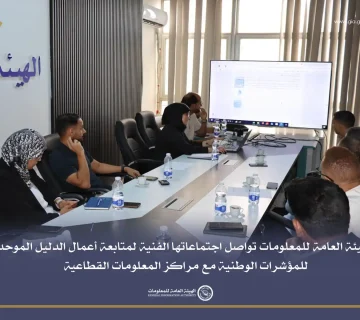
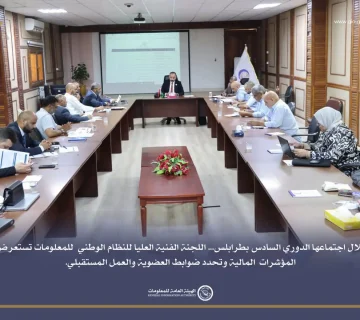
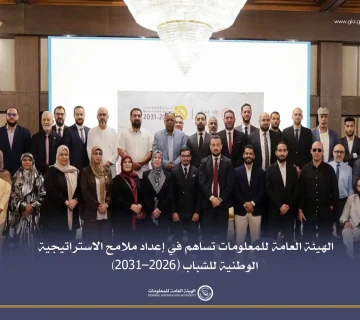
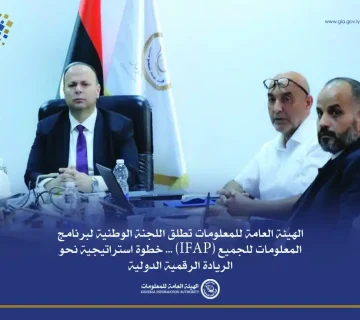
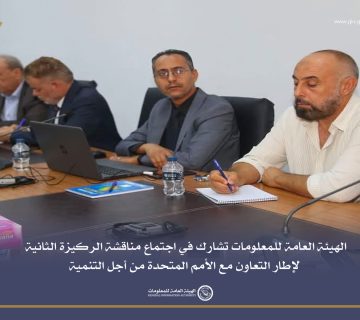
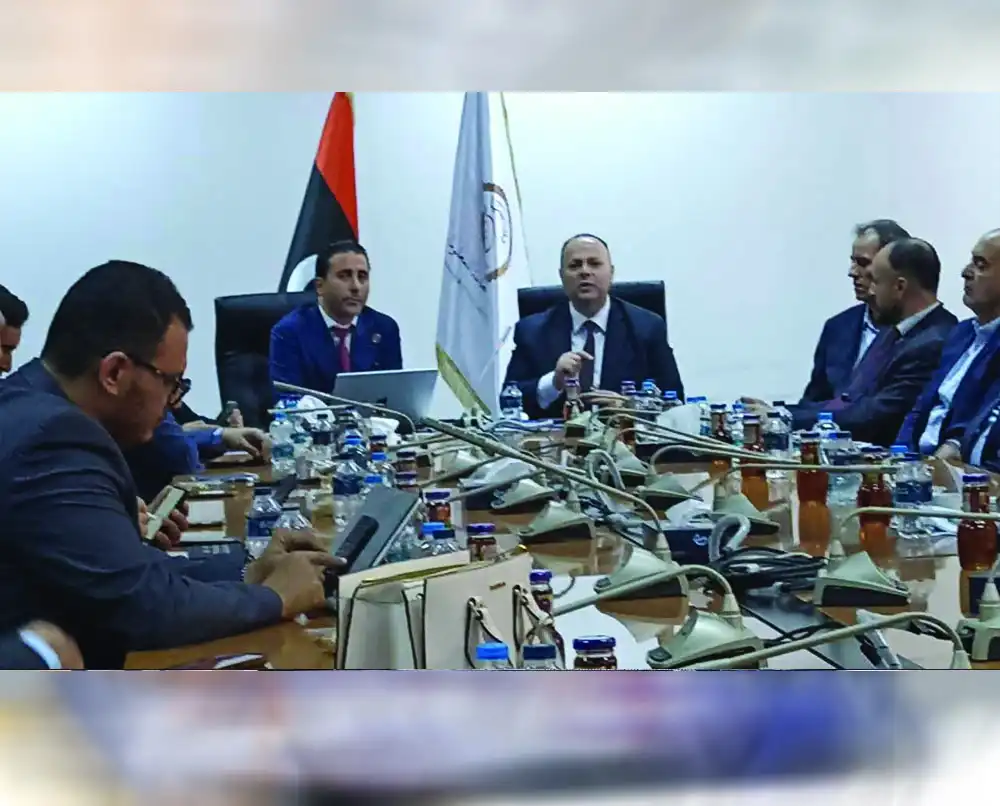
Under the patronage of the #Minister of State for Digital Economy and Artificial Intelligence, the #General Information Authority hosted an extensive meeting that included national bodies involved in preparing Libya’s National Artificial Intelligence Strategy 2025–2030, as part of enhancing institutional coordination and completing national efforts to move to the implementation phase. The meeting witnessed wide attendance, including representatives from government bodies, financial institutions, telecommunications and technology companies, along with academic and consulting entities, with the participation of both the President of the National Authority for Scientific Research and the Chairman of the Libya Trade Network Board, in addition to representatives of civil society organizations, affirming the approach of partnership and integration among various parties. The meeting included a review of the #National Artificial Intelligence Charter, prepared by the General Authority for Communications and Informatics, where its principles related to ethics, transparency, and governance of artificial intelligence use were discussed, as it is considered one of the fundamental pillars supporting the implementation of the strategy.
The participants also discussed ways to incorporate the social dimension into the National Artificial Intelligence Charter, ensuring the inclusivity and fairness of AI applications, in addition to deliberating on the preparation of specialized #guidelines for sectors directly related, such as the education sector, justice, and other vital sectors, contributing to unifying methodologies and promoting the responsible use of intelligent technologies.
The work program included a scientific intervention by Dr. Mohammed Al-Awa, an expert from #ESCWA in its capacity as an advisory body, where he reviewed the most prominent international practices in preparing and implementing AI strategies and the mechanisms to align them with the national context, enhancing the chances of success and sustainability.
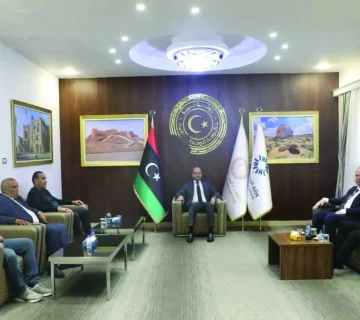
In this context, the #Minister of State for Digital Economy and Artificial Intelligence proposed a number of strategic #initiatives that will be urgently implemented in 2026, to be announced sequentially, focusing on strengthening the #digital economy, empowering startups, and supporting youth and innovators, within an ambitious national plan aimed at creating an integrated environment for the transition to a digital economy.
These directions also include the development of a number of government legislations and policies that serve the digital transformation, keep pace with innovation requirements, and enhance the ability of institutions to adopt modern technologies efficiently and flexibly. The meeting emphasized the importance of strengthening integration among national entities through digital platforms, especially data exchange platforms and digital identity platforms, supporting the building of an integrated system based on data. The General Information Authority also stressed the necessity of continuing to work in the spirit of one team, and enhancing institutional and community partnerships, to ensure the actual transition from the strategy preparation phase to implementation, according to clear performance indicators and ongoing monitoring and evaluation mechanisms. This meeting comes within the context of national trends toward employing artificial intelligence as a strategic tool to support development, improve service quality, and build a sustainable knowledge-based digital economy, enhancing Libya’s position in this field at both the regional and international levels.